
Roofs Built to Last Under Desert Sun
Tile Roof Systems in Tucson for properties requiring heat resistance and long-term durability
Desert Storm Roofing LLC installs and repairs tile roof systems in Tucson for residential properties where extreme heat and intense UV exposure demand materials that withstand decades of sun without deteriorating. Tile roofing remains popular across Southern Arizona because the material resists thermal cycling better than composition shingles, which can become brittle and crack under sustained temperatures exceeding 120 degrees on roof surfaces. Property owners choose tile for upscale homes where curb appeal matters as much as functional performance.
Tile roof systems involve setting individual clay or concrete tiles onto a substrate using mortar or mechanical fasteners, creating overlapping layers that shed water while allowing airflow beneath the tiles to reduce heat transfer into the attic. The installation requires understanding how tiles interlock and how to accommodate thermal expansion, which affects tile placement differently than cooler climates where expansion remains minimal. Expert installation prevents future problems like slipped tiles or broken edges caused by improper fastening or inadequate underlayment.
Schedule a tile roof inspection to evaluate current condition and identify individual tiles that need replacement.
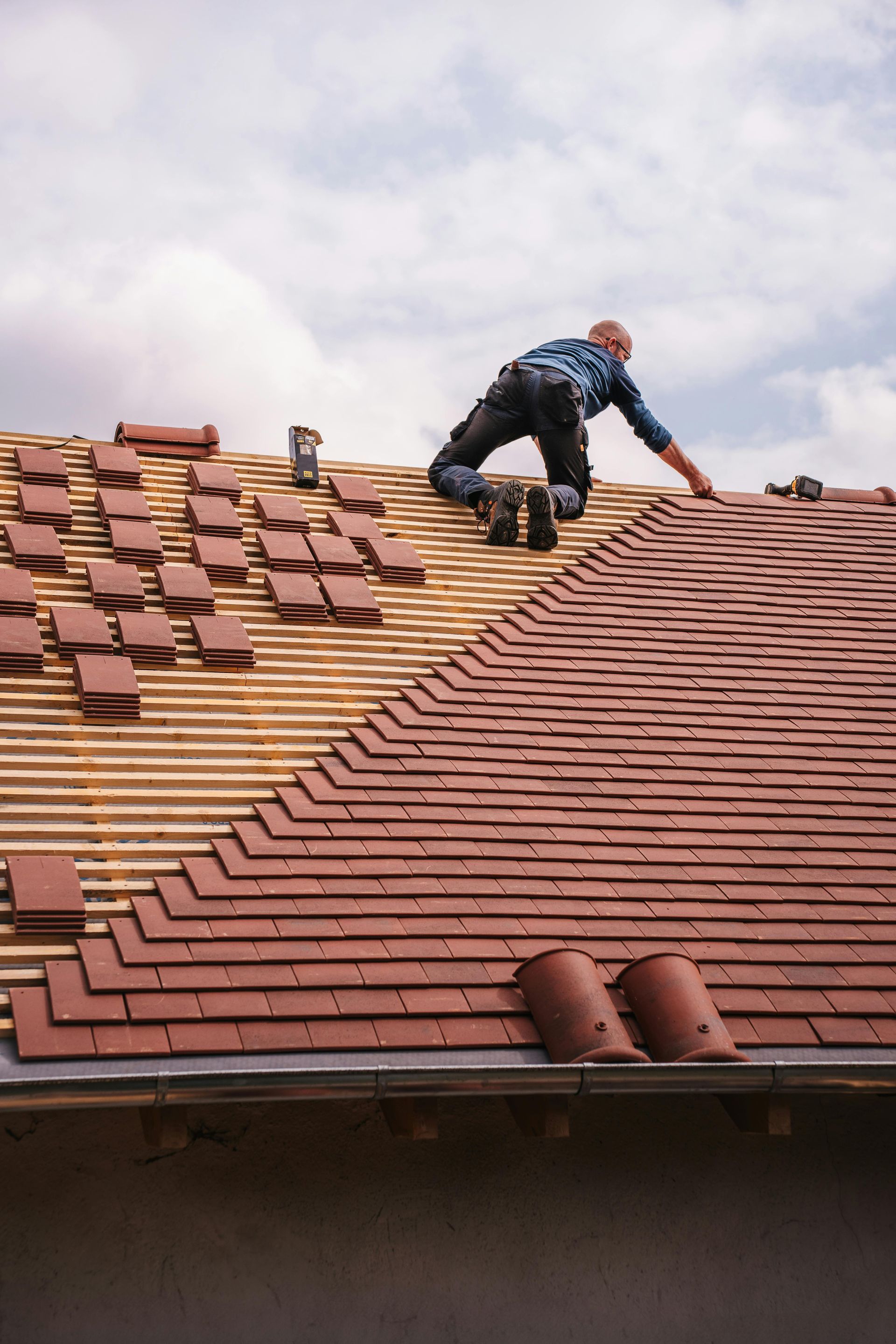
What Happens When Tiles Are Properly Installed
Tile roof systems rely on proper substrate preparation and precise tile placement to function correctly. Each tile must sit securely without restricting movement caused by temperature changes, which can exceed 80 degrees between night and midday in Southern Arizona summers. The underlayment beneath tiles provides a secondary water barrier, critical when windblown rain drives moisture under tile edges during monsoon storms.
After installation, you notice the roof surface appears uniform with consistent tile alignment and color variation that adds visual texture rather than looking mismatched or haphazard. The system sheds water immediately during rainfall, with no pooling or delayed drainage that indicates improper slope or tile positioning. Individual tiles can be lifted and replaced when damaged without disturbing surrounding areas, which means repairs address specific problems without requiring full roof replacement in many cases.
Tile roofs require periodic maintenance to remain effective, including replacing broken tiles before underlying materials become exposed and checking for mortar deterioration in older installations where tiles were set with mortar rather than fastened mechanically. The system also benefits property value because tile roofing signals quality construction and lower long-term maintenance compared to materials that require replacement every fifteen to twenty years.
Questions Homeowners Ask About Tile Roofing
Tile roofing decisions involve understanding material performance and maintenance requirements specific to desert conditions.
What makes tile roofing suitable for Tucson's climate?
Tile resists heat absorption and UV degradation better than asphalt shingles, which soften and lose granules under sustained high temperatures, and the thermal mass of tile helps moderate attic temperature swings during monsoon season when afternoon storms drop temperatures rapidly.
How long does a tile roof system last with proper maintenance?
Clay and concrete tiles often exceed fifty years of service life when individual damaged tiles are replaced promptly and underlayment is inspected periodically, though the underlayment itself typically requires replacement before the tiles wear out.
Can individual tiles be replaced without affecting the rest of the roof?
Most tile systems allow individual tiles to be lifted and replaced because tiles interlock without adhesive, meaning repairs address specific damage from fallen branches or hail without disturbing adjacent sections.
What happens during a tile roof installation?
Installation involves securing underlayment to the roof deck, installing battens or setting tiles directly depending on the system, and fastening each tile with clips or nails while maintaining proper overlap to ensure water flows off the roof rather than underneath tiles.
Why do some tile roofs develop problems while others last decades?
Installation quality determines long-term performance because improperly fastened tiles slip out of position during high winds, and inadequate underlayment allows water infiltration when tiles crack, leading to substrate damage that eventually requires more extensive repairs.
Desert Storm Roofing LLC provides tile roof installations and repairs that account for thermal expansion and monsoon weather patterns specific to Southern Arizona. Request a detailed estimate based on your roof configuration and tile preferences.