Shingles Designed for Decades of Sun
Asphalt Shingle Roofing in Tucson for new installations, full replacements, and heat-resistant residential systems
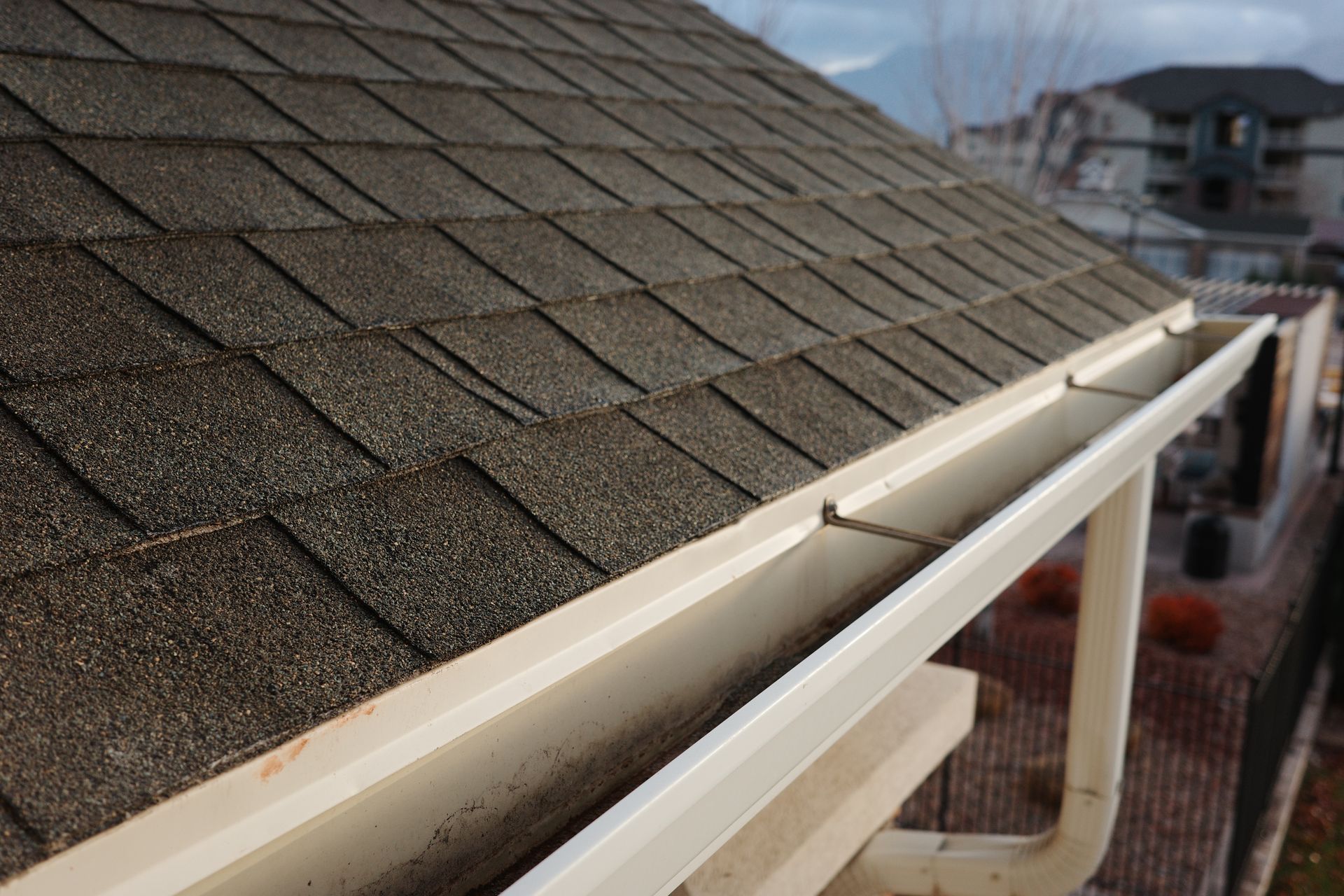
Asphalt shingles remain the most widely installed residential roofing material because they balance cost, durability, and style variety while providing reliable protection when properly ventilated. You need shingle replacement when granule loss exposes black asphalt substrate, when edges curl upward from thermal cycling, or when missing sections leave underlayment visible after wind events. Desert Storm Roofing installs asphalt shingle systems across Tucson and surrounding areas with attention to ventilation requirements that prevent premature aging under Arizona's intense solar load.
Shingle installation begins with preparing the roof deck, installing underlayment that provides secondary water protection, and applying starter strips along eaves and rakes to prevent wind uplift. Shingles are nailed according to manufacturer specifications that dictate fastener placement and quantity based on roof slope and wind zone ratings. Proper nailing matters because overdriven fasteners tear through shingle mat while underdriven fasteners allow wind to catch shingle tabs during monsoon gusts that exceed 60 miles per hour in exposed areas around Casa Grande and Benson.
Request a shingle roof consultation to review color options, warranty coverage, and ventilation upgrades that extend system lifespan.
Why Ventilation Extends Shingle Life in Arizona
Shingle longevity depends on adequate attic ventilation that exhausts superheated air before it bakes roofing materials from underneath. Without sufficient airflow, attic temperatures in Tucson routinely exceed 150 degrees during summer months, which accelerates shingle aging by breaking down asphalt binders and causing granules to separate prematurely. Desert Storm Roofing evaluates intake and exhaust vent balance during shingle installations to ensure continuous airflow from soffit vents to ridge or roof-mounted exhaust points.
After installation, properly ventilated shingle roofs maintain consistent surface temperatures that prevent the thermal stress causing curled edges and cracked sealant strips. You will notice that cooling costs decrease when attic heat no longer radiates through ceilings, and shingles retain protective granule coatings longer because excessive heat no longer degrades adhesive bonds. Multiple style and color options allow matching architectural preferences while meeting reflectivity standards that reduce solar heat gain on darker roof planes.
Shingle systems require minimal maintenance beyond periodic inspections to catch wind damage early and ensure flashing remains sealed at penetrations. Repairs involve replacing individual damaged shingles rather than entire sections, which makes asphalt systems more economical to maintain compared to materials requiring specialized tools or complete membrane replacements.
Questions Homeowners Ask About Shingle Roofs
Selecting and maintaining asphalt shingle roofs involves decisions about material grade, color impact on heat absorption, and realistic service life expectations in desert conditions.
How long do asphalt shingles last in southern Arizona?
Architectural-grade shingles typically provide 20 to 25 years of service when properly ventilated, while three-tab shingles in direct sun exposure often require replacement closer to 15 years due to accelerated granule loss.
Do lighter shingle colors stay cooler than dark colors?
Yes, lighter shingles reflect more solar radiation and can reduce surface temperatures by 20 degrees or more compared to dark gray or black shingles, which translates to lower attic temperatures and reduced cooling loads.
Can damaged shingles be replaced individually?
Individual shingle replacement works well for localized wind damage or impact from falling branches, though color matching becomes difficult as existing shingles fade over years of sun exposure in areas like Sierra Vista and Nogales.
What causes shingles to curl at the edges?
Thermal cycling between daytime heat and nighttime cooling causes shingle expansion and contraction that eventually fatigues the asphalt mat, while inadequate attic ventilation accelerates this process by subjecting shingles to extreme sustained temperatures.
Does Desert Storm Roofing handle both new construction and replacement roofs?
Yes, shingle installation services cover new home construction, complete tear-off replacements, and overlay applications where existing roof condition and local building codes allow adding a second shingle layer.
Desert Storm Roofing provides shingle roof estimates that include material specifications, ventilation assessment, and warranty details for both labor and materials. Arrange a consultation to review shingle options suited to your home's architectural style and your expectations for longevity under desert sun exposure.