Complete System Renewal for Long-Term Protection
Roof Replacement in Tucson for aging systems, repeated leak failures, and storm damage beyond economical repair
When repair costs begin to approach replacement value, or when underlying materials have degraded to the point that patches no longer hold, full roof replacement becomes the only reliable solution. Asphalt shingles lose granule protection and become brittle after 15 to 20 years of Arizona sun exposure, tile underlayment breaks down and allows water to reach decking, and flat roof membranes develop widespread cracking that cannot be effectively sealed. Desert Storm Roofing provides roof replacement in Tucson, Sierra Vista, Nogales, Benson, Casa Grande, and Bisbee for residential and commercial properties where continued repairs would only delay inevitable failure. Replacement improves property value, eliminates recurring leak concerns, and provides a fresh start with materials selected for durability in high heat and storm conditions common to Southern Arizona.
The replacement process involves complete removal of existing roofing materials down to the deck, inspection and repair of any structural damage, installation of new underlayment and moisture barriers, and application of the new roofing system. Material options include asphalt shingles for cost-effectiveness, tile for longevity and appearance, and membrane systems for flat or low-slope applications. Each material offers different performance characteristics, and the choice depends on building design, budget, and how long the property owner plans to maintain the structure.
Schedule a free inspection and replacement quote to compare material options and understand total project costs.
What Actually Happens During Roof Replacement
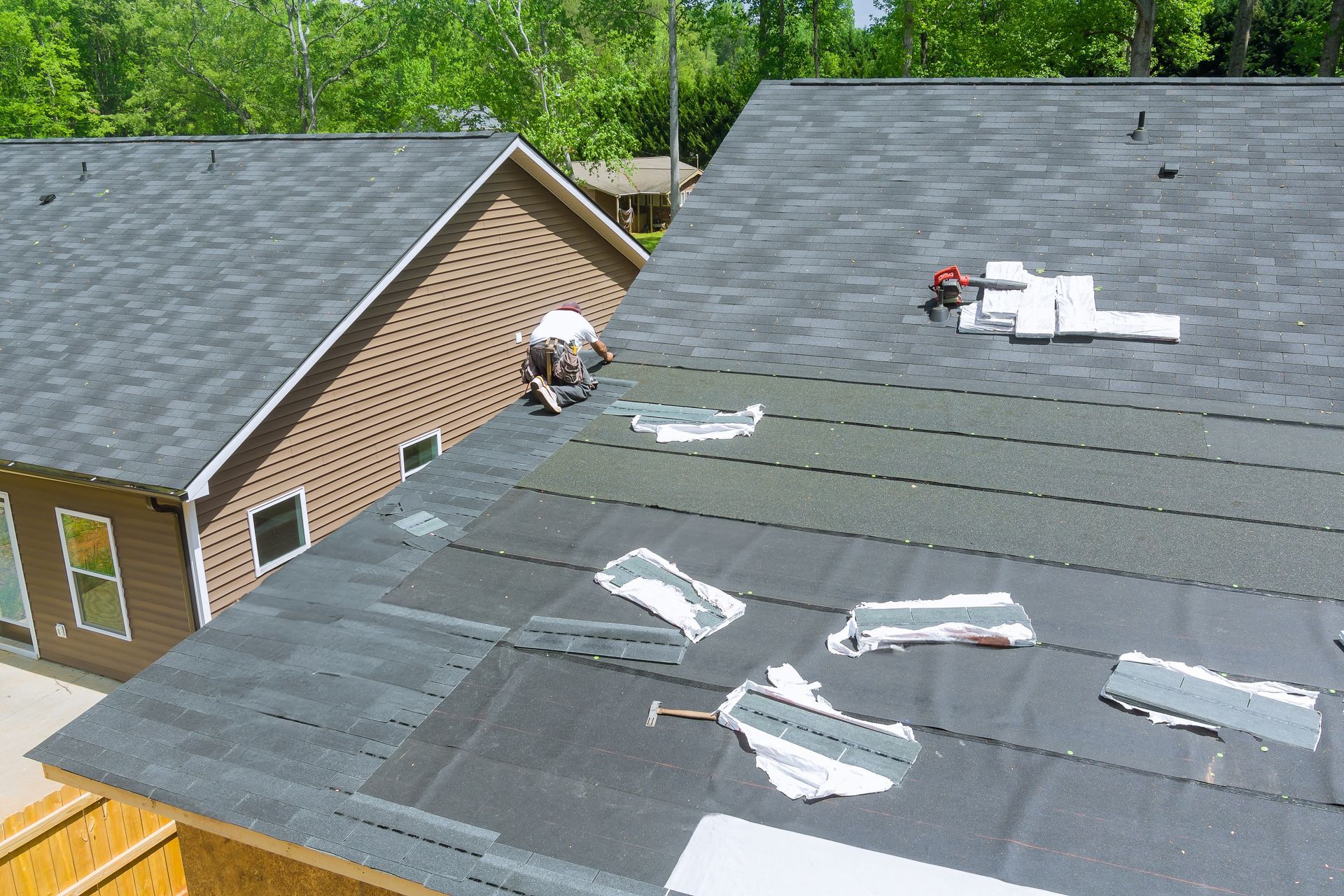
Replacement projects begin with protecting landscaping, vehicles, and exterior structures from falling debris, followed by systematic removal of old materials. Crews inspect exposed decking for rot, water damage, or structural weaknesses that require plywood replacement or framing repairs. New underlayment is installed to create a secondary water barrier, and flashing around chimneys, vents, and roof transitions is replaced or upgraded to current standards. The final roofing material is then applied according to manufacturer specifications, which is essential for warranty coverage and long-term performance.
Once replacement is complete, you have a roof that sheds water effectively, provides consistent protection across the entire structure, and eliminates the pattern of recurring leaks and emergency repairs that characterized the old system. Interior ceilings and insulation are no longer at risk from water intrusion, and property resale value improves with documented proof of a new roof backed by warranty. Desert Storm Roofing provides a 10-year workmanship warranty on all new roof installations, covering installation quality and material application, which works alongside manufacturer material warranties for comprehensive protection.
Estimates include all costs for removal, disposal, materials, labor, and required permits, with no hidden fees introduced after work begins. Timelines depend on roof size, material type, and weather, but most residential projects are completed within a few days once started. Commercial replacements take longer due to building size and coordination with business operations to minimize disruption.
What Property Owners Usually Ask
Replacement projects represent significant investment, and understanding the process helps property owners make informed decisions.
How do I know when replacement is necessary instead of more repairs?
When multiple areas fail within a short period, when the roof is near or past its expected lifespan, or when repair costs exceed half the cost of replacement, a new roof becomes the better financial decision. Continued patching on a failing system delays the inevitable and often results in higher total costs.
What roofing material works best in Tucson's climate?
Tile offers the longest lifespan and superior heat resistance but costs more upfront. Asphalt shingles are economical and perform well with proper ventilation, though they have shorter lifespans in extreme heat. Flat roof membranes like TPO or modified bitumen provide durability for low-slope applications and can be combined with reflective coatings for energy efficiency.
Will replacement increase my property value?
A new roof is one of the highest-return improvements for resale, often recovering 60 to 80 percent of cost in increased sale price. Buyers prioritize properties with recent roof replacement because it eliminates a major near-term expense and provides warranty protection.
How long does a new roof last in Arizona?
Tile roofs can last 40 to 50 years or more with proper maintenance, asphalt shingles typically last 15 to 25 years depending on quality and ventilation, and flat roof membranes last 20 to 30 years with periodic inspections and minor maintenance.
What should I expect during the replacement process?
Expect noise, vibration, and debris during tear-off and installation. Crews work to minimize disruption, but roof replacement is an intensive process. Most residential projects are completed quickly to limit inconvenience, and communication about daily progress keeps property owners informed throughout the project.
Desert Storm Roofing provides detailed estimates with clear cost breakdowns, material options, and realistic timelines so you can plan confidently. Reach out to arrange an on-site evaluation and receive a comprehensive replacement proposal tailored to your property's specific requirements.