Heat Reflection That Lowers Energy Costs Immediately
Roof Coatings in Tucson for flat and low-slope roofs experiencing UV damage, heat buildup, and membrane cracking
Flat and low-slope roofing systems absorb direct sunlight for most of the day across Southern Arizona, and surface temperatures regularly exceed 160 degrees during summer months. This constant thermal stress causes membranes to crack, sealants to dry out, and seams to separate, while the heat transferred into buildings increases cooling costs and shortens HVAC system lifespan. Protective coatings applied over existing roofing materials reflect solar radiation rather than absorbing it, which reduces surface temperatures by 40 to 60 degrees and slows the degradation process that leads to leaks and premature replacement. Desert Storm Roofing installs roof coatings in Tucson, Sierra Vista, Nogales, Benson, Casa Grande, and Bisbee for commercial and residential properties looking to extend roof life and improve energy efficiency without the expense of full system replacement.
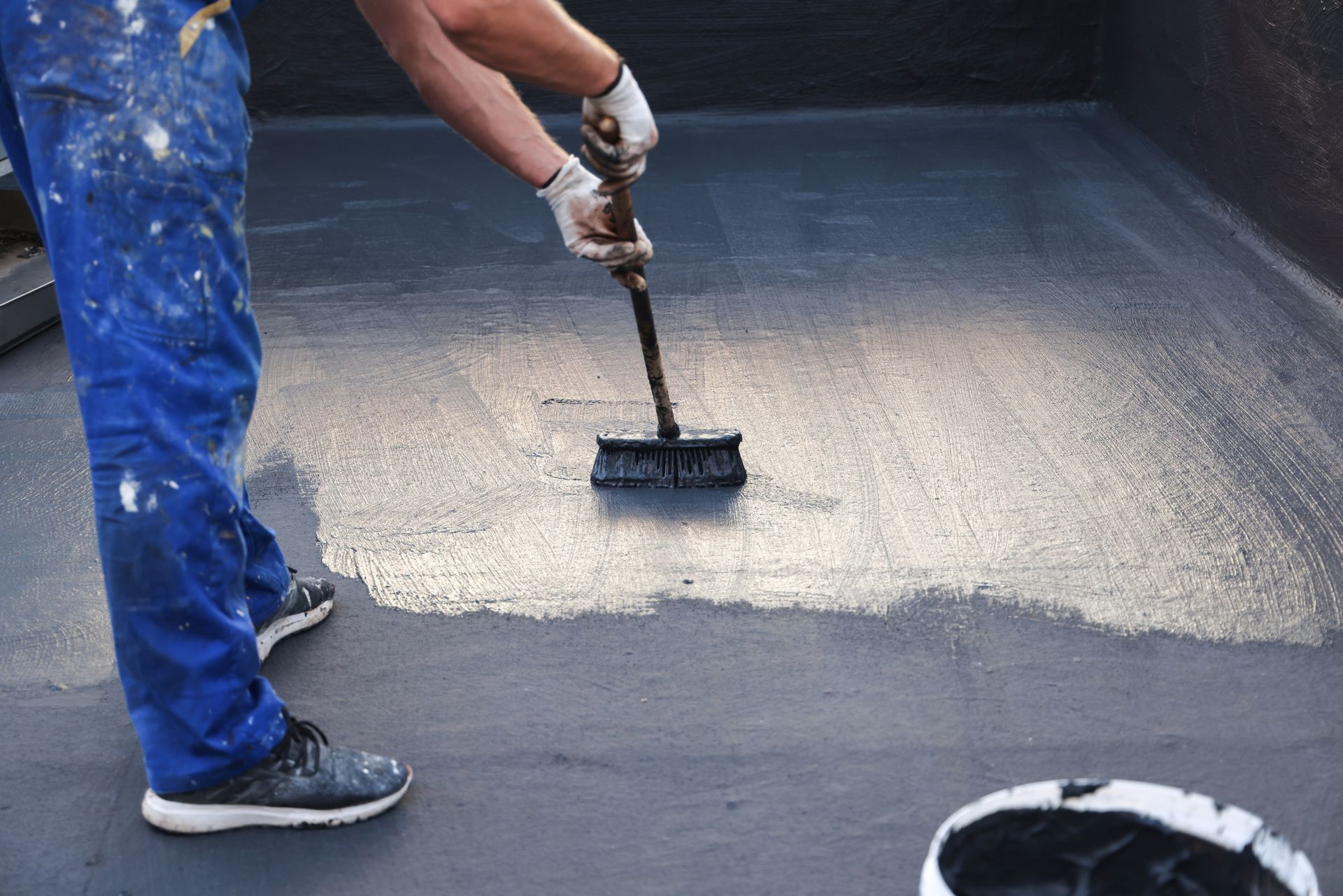
Coatings are applied as liquid membranes that cure into seamless, waterproof barriers, and the process includes cleaning the existing roof surface, repairing any damaged areas, priming as needed, and rolling or spraying the coating in multiple layers. The material fills small cracks and gaps while creating a reflective surface that deflects UV radiation. This approach works for roofs that are structurally sound but showing age-related wear, offering a cost-effective alternative when replacement is not yet necessary but protection is.
Request a coating evaluation to determine whether your current roof is a suitable candidate for this service.
What You Notice Once Coating Application Is Finished
Applied coatings transform dark, heat-absorbing surfaces into bright, reflective barriers that change both roof performance and interior conditions. The coating cures within hours to days depending on temperature and humidity, and once fully set, the surface sheds water rather than allowing it to pool or seep into seams. Reflective properties reduce attic and interior temperatures, which lowers air conditioning run times and decreases monthly utility costs, particularly in commercial buildings with large roof areas.
After coating, you notice that the roof surface remains cooler to the touch even during peak afternoon sun, interior spaces require less cooling to maintain comfortable temperatures, and existing cracks or minor separations are sealed under the new membrane layer. The reflective finish maintains its properties for years, though surface dirt accumulation in dusty environments can reduce reflectivity over time and may require periodic cleaning. Desert Storm Roofing backs coating installations with a five-year workmanship warranty, covering application quality and adhesion performance under normal exposure conditions.
Coatings are not suitable for roofs with significant structural damage, widespread membrane failure, or standing water issues that indicate underlying drainage problems. Those conditions require repairs or replacement before coatings can perform as intended. The evaluation process identifies whether prep work is needed and provides cost comparisons between coating, repair, and replacement options.
Answers to Frequent Service Questions
Property owners evaluating roof coatings often want to understand performance, longevity, and application specifics before proceeding.
How long do roof coatings last in Arizona's climate?
Quality coatings typically perform for 10 to 15 years with proper application and surface preparation, though exposure to extreme UV and thermal cycling may reduce lifespan compared to milder regions. Periodic recoating extends protection indefinitely if the underlying roof remains sound.
What types of roofs can be coated?
Most flat and low-slope systems including modified bitumen, EPDM, TPO, metal, and built-up roofing are suitable for coating. Steeply sloped roofs generally do not benefit from coatings due to different failure patterns and material types.
How much energy savings can I expect?
Reflective coatings can reduce cooling costs by 10 to 30 percent depending on building insulation, roof size, and interior usage patterns. Commercial buildings with large roof-to-wall ratios see the most significant savings, while smaller residential structures benefit but to a lesser degree.
Can coatings be applied over existing damage?
Minor cracks and small gaps are addressed during application, but active leaks, large tears, or areas of membrane separation must be repaired first. Coatings seal and protect but do not replace structural repairs or fix drainage problems.
What maintenance do coated roofs require?
Periodic cleaning to remove debris and dust maintains reflectivity, and inspections every few years ensure the coating remains intact without cracks or peeling. Recoating can be done before the original layer fails completely, which extends protection and avoids the cost of starting over.
Desert Storm Roofing evaluates roof condition, explains coating options, and provides detailed cost analysis comparing coating to other solutions. Contact us to schedule a consultation and receive a customized recommendation based on your property's specific needs and roof condition.