Roof Edges That Hold Up to Arizona Weather
Fascia Repairs in Tucson for rotting boards, water intrusion, and pest access along roof edges
Desert Storm Roofing repairs and replaces damaged fascia boards that protect the structural edge of your roof in Tucson, Sierra Vista, Nogales, Benson, Casa Grande, and Bisbee. Fascia boards serve as the mounting surface for gutters and seal the gap between your roof deck and the outside environment. When these boards rot or crack, water works its way behind your roofing system and pests find direct access into attic spaces.
Fascia damage typically starts where gutters overflow or roofing materials fail to properly channel water away from board edges. Wood fascia exposed to repeated moisture cycles softens and separates, creating openings large enough for birds, rodents, and insects to exploit. Replacing compromised sections restores the structural boundary that keeps your roof deck dry and prevents animals from nesting in soffit cavities.
Schedule a roof edge inspection to assess fascia condition and identify hidden moisture damage before it reaches interior framing.
What Happens When Fascia Boards Are Replaced
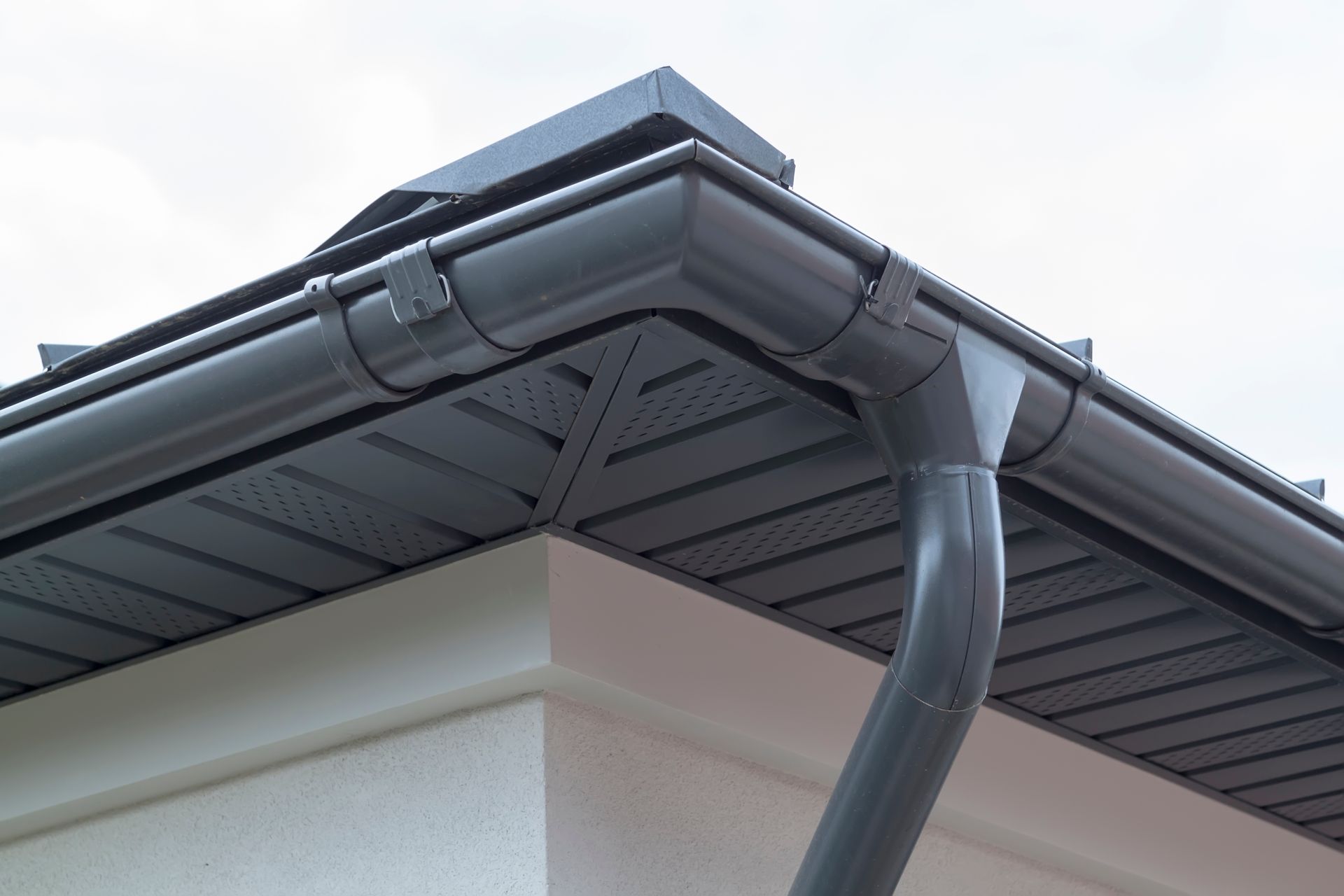
Fascia replacement involves removing deteriorated boards, inspecting the rafter tails they attach to, and installing new dimensional lumber or composite material designed to resist moisture. If rafter ends show rot, those sections are cut back to sound wood and reinforced before new fascia mounts flush against them. The replacement boards are primed and painted to match existing trim, and gutter hangers are repositioned to distribute weight evenly across the new surface.
Once new fascia is in place, gutter systems reattach securely without sagging, and the roof edge forms a continuous seal that blocks wind-driven rain and animal entry. Properly installed fascia prevents the gap between roofing and soffit from widening during monsoon season, which in southern Arizona often combines high winds with sudden heavy rainfall. You will notice that gutters no longer pull away from the roofline and that water drains without spilling behind the board face.
Fascia work is frequently completed alongside roof repairs or replacements because damaged boards often indicate underlying issues with flashing, drip edge, or roof deck edges. Addressing fascia during these projects ensures the entire roof perimeter functions as a unified water management system rather than a series of weak points that fail independently over time.
What Property Owners Ask About Fascia Work
Fascia boards take direct exposure to sun and weather, so questions about material choice, timing, and integration with other roof components come up regularly during repair planning.
How do I know if fascia needs replacement or just repair?
Soft spots that compress under finger pressure, visible rot around nails, or boards that have pulled away from rafter ends all indicate replacement is needed rather than patching.
What material works best for fascia in desert climates?
Pressure-treated lumber rated for ground contact resists moisture longer than standard pine, while composite fascia boards eliminate rot risk entirely but require proper fastening to handle thermal expansion under intense sun.
Can fascia be replaced without removing the roof?
Yes, most fascia replacement happens from ladder access below the roofline, though sections where roofing material extends over the board edge may require selective shingle removal to access mounting surfaces.
Why does fascia rot faster on certain sides of the house?
North-facing fascia in Tucson stays shaded and holds moisture longer after rain, while west-facing boards endure the most intense afternoon sun and experience greater expansion cycles that crack protective coatings.
What gets included in a fascia repair project?
The work includes removing damaged boards, treating exposed wood, installing new fascia, reattaching gutters, and finishing with primer and paint that matches your existing trim color.
Desert Storm Roofing evaluates fascia condition during roof inspections and recommends repairs that address both visible damage and the water flow patterns causing it. Request a roof edge assessment to determine whether fascia replacement should happen now or be scheduled with upcoming roofing work.