Installation That Prevents Problems Before They Start
New Construction Roofing in Tucson for builders and property owners who need reliable installation on residential and commercial projects
Roofing systems installed during new construction set the baseline for decades of performance, and errors made at this stage often do not become visible until after warranties expire and builders have moved on to other projects. Improper flashing, inadequate ventilation, or shortcuts in underlayment installation create conditions for leaks, premature material failure, and moisture damage that could have been avoided with correct initial work. Desert Storm Roofing works with builders and property owners across Tucson, Sierra Vista, Nogales, Benson, Casa Grande, and Bisbee to install roofing systems on new residential and commercial structures with attention to material selection, proper installation standards, and durability in Arizona's demanding climate. Getting it right from the beginning eliminates the pattern of early repairs that plague poorly installed roofs and ensures that materials perform as manufacturers intend.
New construction roofing involves coordinating with framing schedules, selecting materials that match building design and budget, installing underlayment and moisture barriers before finish materials, and completing flashing and penetration details that prevent water entry. Options include asphalt shingles for cost-conscious projects, tile for longevity and curb appeal, and membrane systems for flat or low-slope commercial buildings. Each material requires specific installation techniques, and following manufacturer guidelines is essential for warranty coverage and long-term performance.
Contact us for project consultation and material recommendations based on building specifications and performance expectations.
Why Correct Installation from the Start Matters
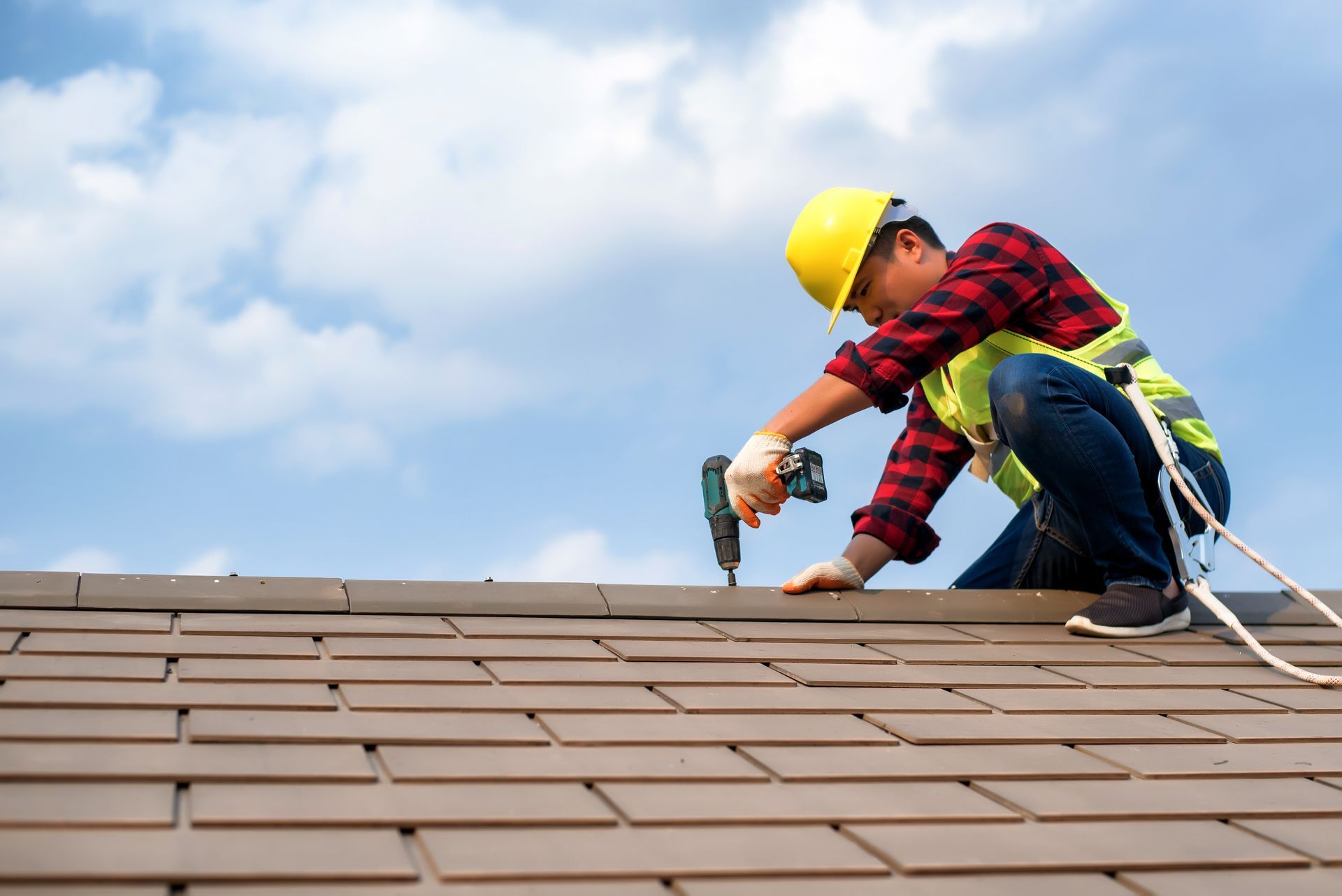
Proper installation ensures that roofing materials perform to their rated lifespan without premature failures, and the process includes more than simply nailing shingles or laying tile. Ventilation must be designed to prevent attic heat buildup that shortens material life, flashing must be integrated with building paper and window systems to create continuous water barriers, and drainage must be planned so water exits the roof without pooling or backing up under materials. These details are difficult or impossible to correct after construction is complete, which is why initial quality determines long-term outcomes.
After installation, the roof sheds water correctly during its first monsoon exposure, attic spaces remain properly ventilated to reduce heat stress on materials, and flashing around chimneys, vents, and roof transitions seals without gaps that allow wind-driven rain to penetrate. You receive documentation of materials used, warranty information from manufacturers, and a clear understanding of maintenance requirements that keep the system functioning as designed.
Desert Storm Roofing maintains communication with general contractors and project managers throughout the build process, coordinating schedules to avoid delays and addressing any design issues before they become installation problems. Timelines are realistic and account for material availability, weather, and coordination with other trades, so projects move forward without unexpected interruptions.
Answers to Frequent Service Questions
Builders and property owners planning new construction roofing often have similar concerns about materials, timelines, and long-term performance.
What roofing material should I choose for new construction?
The decision depends on building design, budget, and performance priorities. Tile offers the longest lifespan and best appearance for residential projects but costs more upfront. Asphalt shingles provide good performance at lower cost and work well for most residential applications. Commercial flat roofs typically use TPO, modified bitumen, or built-up systems depending on building use and maintenance plans.
How long does roofing installation take on new construction?
Timelines depend on roof size, complexity, and material type. Most residential projects are completed within a few days once framing is ready, while larger commercial buildings may require weeks due to size and system complexity. Weather delays are less common in Southern Arizona but can occur during monsoon season.
What happens if installation is delayed?
Roofing schedules are coordinated with other trades to minimize project impact, but delays can occur due to material shortages, weather, or changes in building design. Open communication with contractors keeps all parties informed, and temporary weather protection is provided if gaps occur between sheathing and final roofing installation.
Does new construction roofing include warranties?
Yes, both material and workmanship warranties apply. Manufacturers provide material warranties ranging from 20 years to lifetime depending on product, and Desert Storm Roofing provides a 10-year workmanship warranty covering installation quality and proper application of materials.
Can roofing installation begin before interior work is complete?
Yes, roofing is typically installed once framing and sheathing are complete, often before interior finishes begin. This protects the building from weather exposure and allows interior work to proceed without risk of water damage.
Desert Storm Roofing provides detailed project planning, material selection guidance, and reliable installation timelines that keep construction on schedule. Set up a consultation to review your project requirements and receive a comprehensive proposal that fits your build timeline and budget expectations.