Leaks and Storm Damage That Need Immediate Attention
Roof Repairs in Tucson for monsoon damage, shingle failures, and tile breakage before interior water damage occurs
Monsoons arrive with little warning across Southern Arizona, and the combination of sustained wind, hail, and sudden water volume finds weak points in roofing systems faster than property owners expect. Desert Storm Roofing handles roof repairs in Tucson and across Sierra Vista, Nogales, Benson, Casa Grande, and Bisbee for residential and commercial properties dealing with leaks, visible damage, or aging materials that no longer seal correctly. A missing tile or cracked shingle during dry months becomes a pathway for water intrusion the moment storms develop, and what starts as a ceiling stain can lead to structural damage within a single weather event.
Roof repairs address specific failure points rather than replacing entire systems, and the approach depends on whether the damage is localized or indicative of broader deterioration. Shingle systems often show lifting or granule loss after high winds, while tile roofs crack from impact or shift due to underlayment breakdown. Flat roofing develops punctures, membrane separations, or pooling issues that require targeted sealing and reinforcement. The distinction between repairable damage and replacement-level failure comes down to the extent of material degradation, the age of the system, and whether the roof deck remains structurally sound.
Schedule an inspection to determine whether current damage requires repair or signals the need for broader intervention.
What Proper Roof Repair Requires
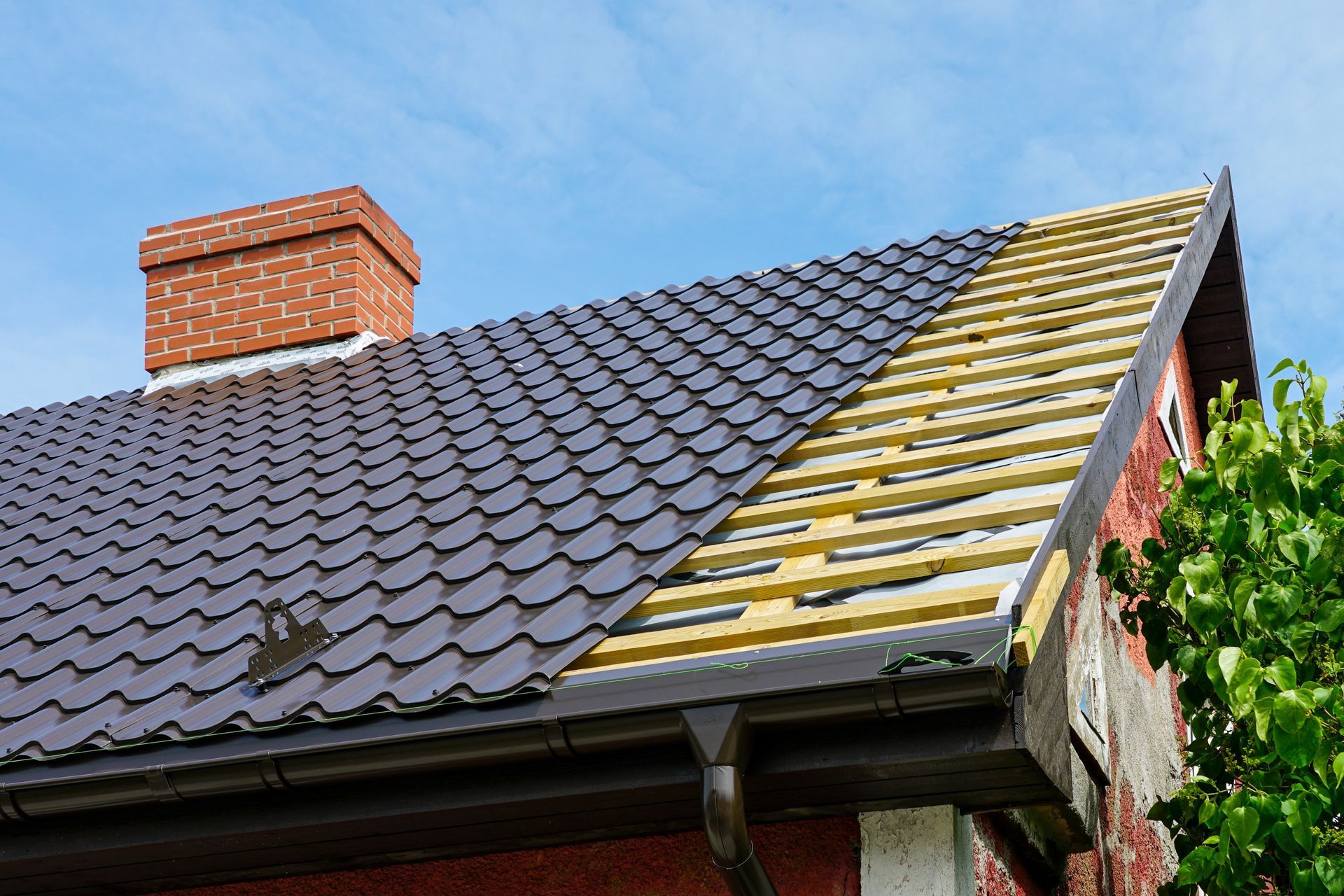
Effective repairs begin with identifying the source of failure, which is not always directly above the visible leak inside the structure. Water travels along roof decking, rafters, and insulation before appearing as ceiling stains or drips, so the actual breach may be several feet away from interior damage. Inspections trace water paths backward to locate compromised flashing, broken tiles, separated seams, or gaps where sealant has failed under UV exposure and thermal cycling common to the region.
After repairs are completed, you notice that ceiling stains stop expanding, interior humidity levels stabilize, and no new water marks appear during subsequent storms. The repaired section integrates with surrounding materials, and flashing around vents, chimneys, and roof transitions seals correctly without visible gaps or lifted edges. Desert Storm Roofing provides clear assessments that distinguish between isolated repairs and conditions where partial or full replacement offers better long-term value, so property owners understand both immediate fixes and future planning needs.
Repairs include replacing damaged shingles or tiles, resealing flashing, patching membrane systems on flat roofs, and addressing underlayment where accessible. The work does not include full tear-offs or structural modifications unless damage extends into decking or framing, which is identified during inspection and quoted separately. Some repairs qualify for same-day or next-day service when materials are in stock and weather permits safe access.
Questions Before Starting Your Project
Property owners in Tucson and surrounding areas often ask similar questions when dealing with roof damage or considering repair options.
How do I know if my roof needs repair or replacement?
If damage is confined to a specific area and the rest of the system shows no significant wear, repair is typically the right approach. When multiple sections fail, materials are near the end of their lifespan, or underlayment has degraded, replacement becomes more cost-effective than repeated patch work.
What causes roofs to fail after monsoon season?
High winds lift shingles and tiles, hail cracks materials, and rapid temperature shifts cause sealants to contract and separate. Flat roofs collect water in low spots, and if drainage is inadequate, pooling accelerates membrane breakdown.
Can tile roofs be repaired without replacing the entire section?
Individual tiles can be removed and replaced if the underlayment remains intact, and color-matching is possible with most standard profiles. If underlayment has deteriorated beneath the tiles, a broader repair that addresses both layers is necessary to prevent future leaks.
How long do roof repairs typically last?
Repairs using quality materials and proper installation methods perform as long as the surrounding original system, assuming no new damage occurs. Lifespan depends on material type, exposure to UV and weather, and whether the underlying structure remains sound.
What should I do immediately after noticing a leak?
Place a container under active drips, move valuables away from affected areas, and document the damage with photos for insurance purposes if applicable. Contact a roofing contractor promptly, as delaying repairs allows water to penetrate insulation, drywall, and framing, which increases repair costs significantly.
Desert Storm Roofing backs all repair work with a commitment to transparent assessments and durable fixes that address both visible damage and underlying causes. Request an inspection to evaluate current roof conditions and receive a detailed repair plan with clear cost breakdowns.